Why Learn Chess?
Critical Thinking
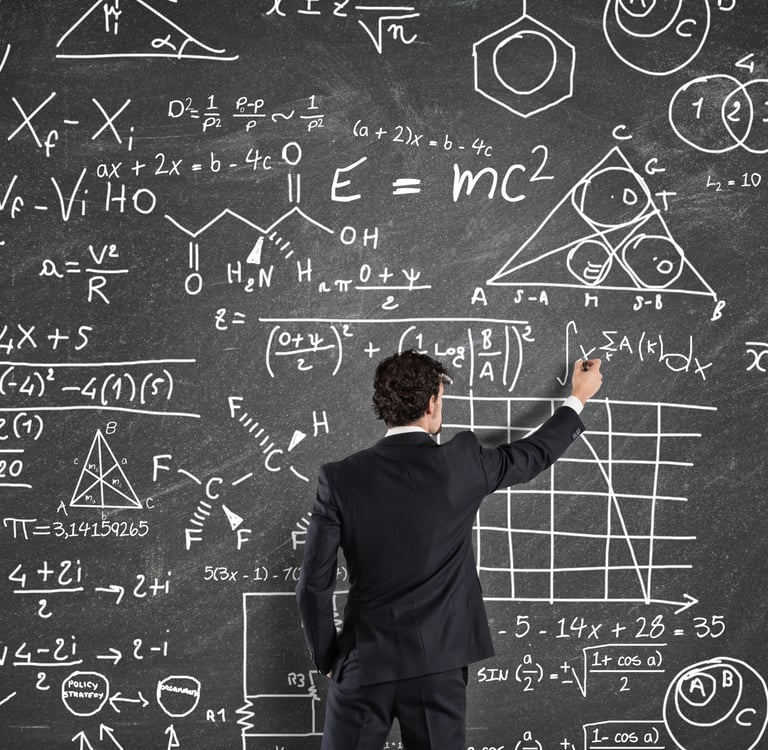
Arguably one of life’s most important skills is to think critically. This is becoming increasingly true in an age where advanced machinery and artificial intelligence can perform our mindless, monotonous jobs. (Mind you, their recent reaches into the creative domain have been both remarkable and shocking!) Furthermore, we live in an environment so saturated in information that it is difficult and effortful to discern between falsehoods and reality. Learning to critique information and challenge our understandings is vital in the pursuit of truth.
After just the fourth move in a game of chess, there are ~288 billion possible positions. Furthermore, there are more iterations of games than there are atoms in our observable universe! Memorization can only lead you so far in a realm of practically infinite possibilities. It cannot exist as a replacement for logic and sound reasoning. One must learn to internally form a constructive argument. A proposition must be brought forth, then continually challenged and counter-challenged to prove its validity. As your critical thinking improves, so too will your play over the board.
Concentration
Immersed in a hyper-stimulating world of pleasures on demand, it seems more difficult than ever to remain focused on any task at hand. Fortunately, focus can be developed through deliberate exercise in similar fashion to one’s physical physique. Classical chess games require an immense amount of concentration for long periods of time. One of the most popular time controls seen in tournaments today is 90 minutes with a 30 second increment. This means that each player has 90 minutes throughout the game and is given an additional 30 seconds with each move played. In other words, under this time control a game could easily last 4 hours or more! Is this the antidote to “gold fish brain”?
Problem Solving
Although, in large part, problem solving is a combination of the critical thinking and concentration discussed above; there are also other aspects which it encompasses. Crucially, problem solving requires patience, perseverance, and attention to detail.
Defending a worse position sucks! However, with low stakes (losing a board game), chess is an excellent way to develop the mental resilience one needs to overcome all kinds of life’s hurdles. It has been said many times that “you cannot win or draw by resigning”, and it is my advice that all amateur players fight to the bitter end.
Chess will force you through the process of problem solving. This involves identifying the problem, creating a list of potential solutions, and then internally challenging them in an effort to determine which solution is best. The seemingly smallest details overlooked can be the cause of terrible downfall.
Time Management
Juggling kids, a career, relationships, chores, and tax returns is a serious feat! A healthy progression through life seems to spotlight those who gain experience over time and use it to take on further responsibilities. Through the adoption of responsibility, we find purpose and meaning. However, as one takes on more responsibility, prioritization becomes pivotal.
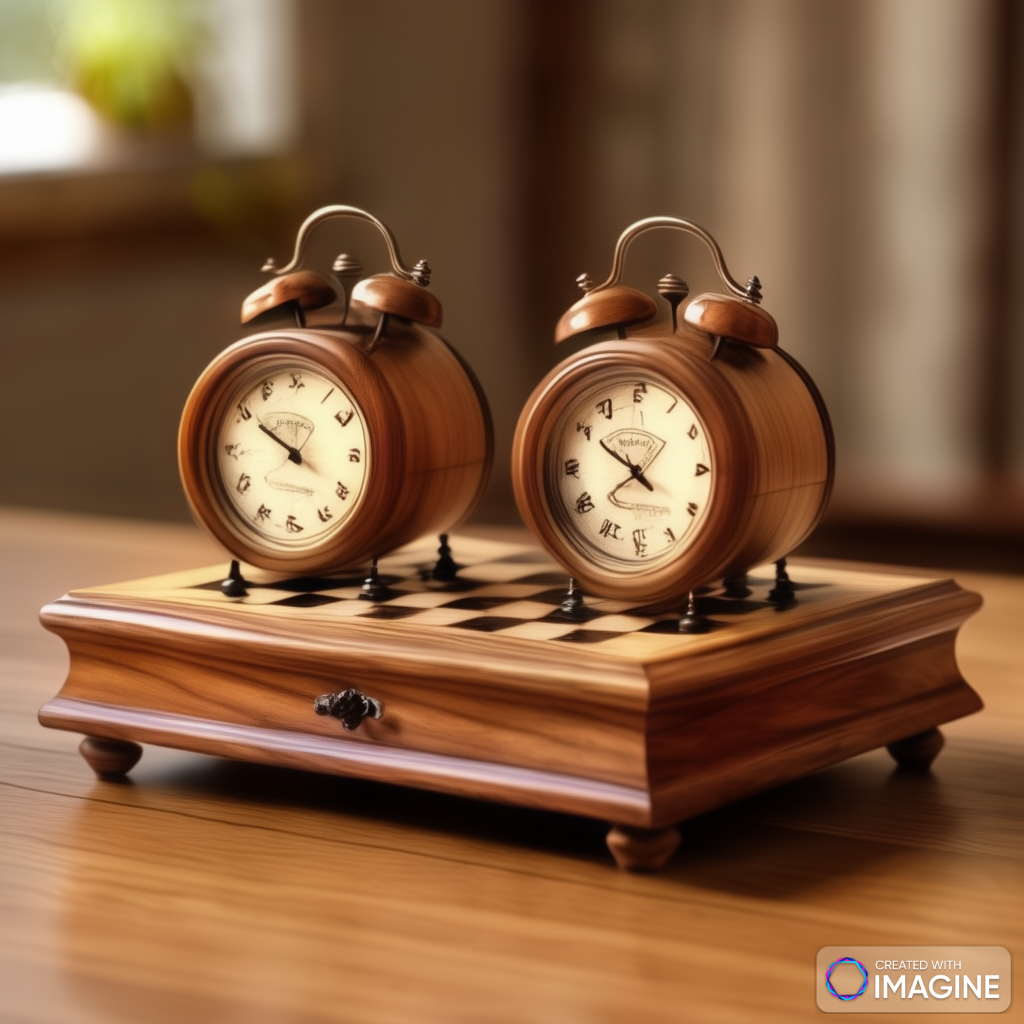
With competitive play, a clock determines the finite time that each player will have at their disposal for the game’s duration. It is essential that a player manages their time appropriately, allocating more time for critical decisions and adjusting the tempo of their play in accordance to the game’s progression. Recognizing that the game has reached a climax of tension, where the result of the game is highly likely to be conclusive in the next few moves, should indicate that the players can burn through most of their remaining time. On the contrary, if a slow maneuvering position has been reached, the players must hunker down for a long, drawn-out battle where their time must be rationed accordingly. There comes a point where a player must accept that they may not have found the best move, but that action must be taken to avoid losing the game on time.
In life, one must find balance between action and analysis. For some, it is easy to rush into action without proper preparation. For others, hyper-analyzation manifests paralysis.
Planning/Strategizing
A lack of vision is the cause of much despair. Having no goals breeds feelings of directionless despondency. It is of great importance to set immediate, medium-term, and far future directives. The same is true in chess.
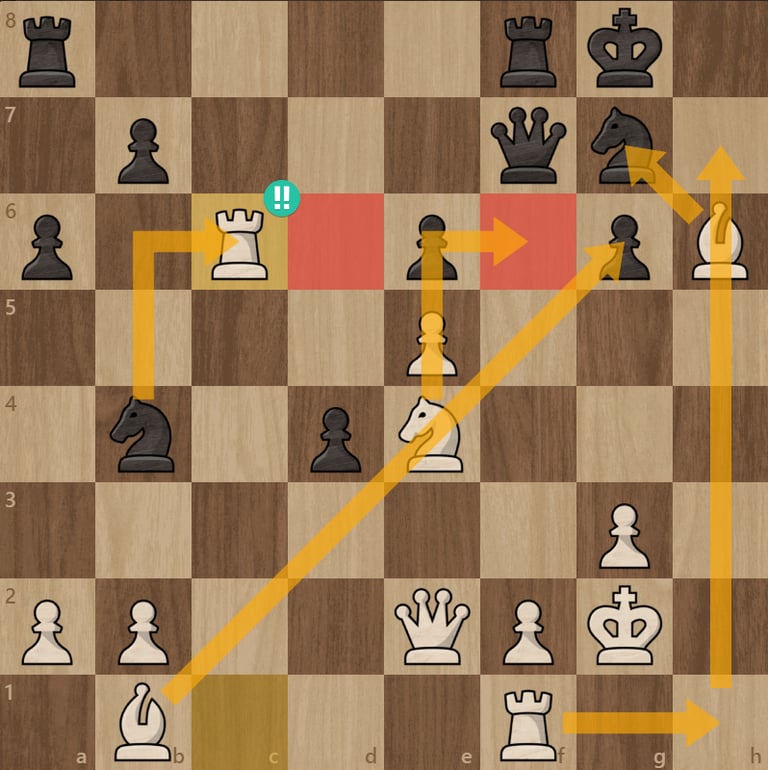
‘Calculation’ is a term which describes the process of working one’s way through a line or several lines of sequential moves. Lines range in their difficulty to calculate depending on how forcing they are. A forced line is one where you and your opponent only have one reasonable response back and forth for several moves. Positions with more forcing lines are said to be more ‘concrete’. Like a tree, ‘branching’ describes how lines split when a player has more than one good option. If you have several good moves, each of which provide your opponent with several replies, and in return you will have a plethora of responses back; good luck calculating very far! In these ‘dynamic’ positions, there is no clear path to follow and a strategic plan must especially be set in place.
It is often quoted in chess that “A poor plan is better than no plan”. Merely reacting to your opponent’s strikes while navigating on the fly is a horribly inefficient use of time and an ineffective method to ensure that your previous moves align with those of the future. The quality of your strategic plans will improve as you nourish your understanding of fundamental principals.
Emotional Regulation
To succeed in any highly competitive environment, one must learn to remain calm and continue with critical decisions under intense pressure.
“Tilt” is a common phenomenon in which a disastrous feedback loop forms between negative emotion and underperformance. Generally, ‘titling’ begins with a player making a small error which puts them in a negative frame of mind, which causes them to make a bigger error, which puts them in a worse frame of mind, which causes them to make an even worse error, … and so forth. Tilt; however, is not the only form in which poor emotional regulation may manifest.
Keeping positive emotion in check can be just as important. Uncontrolled positive emotion can lead to overconfidence, early celebration, and overly optimistic evaluations.
Become the master of your emotions, lest they master you!
There are many reasons that chess has been played for 1000+ years and will continue being played until we’re all cyborgs or extinct. It is a game of rich history with players’ development hinging on the discoveries of the greatest practitioners to precede them. There is so much to write about, from its impact on building local community to fostering diplomacy around the globe; however, I write today of chess as an instrument by which one may develop valuable life skills. This is why I believe you should learn chess.
Theory of Mind
Theory of mind is very similar to empathy and is a psychology term which describes one’s ability to understand the minds of others. This is obviously a highly practical skill when it comes to social relations, negotiations, and everyday interactions with those around us. It encompasses the readings of other’s beliefs, emotions, desires, thoughts, and intentions.
You simply will not make it very far in chess if you are incapable of placing yourself in your opponent’s shoes. Before your every move, you must ask yourself the following:
· “Why did my opponent choose their last move?”
· “What are their long-term plans?”
· “How are they evaluating the current position?”
If you personally know your opponent, you may consider which opening lines they have shallow knowledge of, with which kinds of positions they are uncomfortable, and in which skills they are weakest. This should help you dictate the most desirable direction to steer the game.
Retarding Neurodegeneration
Cognitively demanding tasks such as learning a language, a musical instrument, and the game of chess have all been shown to slow the effects of neurological degenerative diseases. Aging is a reality of life that we all must come to terms with; however, shouldn’t we strive to live the longest and healthiest as possible?
Creativity & Fun!
To the casual observer, a game of chess consists of no more than cold calculation and concentration. To its dedicated practitioners, the game contains exhilarating attacks, creative maneuvers, nerve-racking sacrifices, and a true beauty in creating a masterpiece. One’s personality becomes all too apparent as expressed through their choices of openings and styles of play. There are gambits for the adventurous and solid binds for the patient strategists.
The pursuit of chess mastery teaches so much along its journey. Above everything, it is about challenging yourself while having fun. What are you waiting for?
-Andrew Leliveld
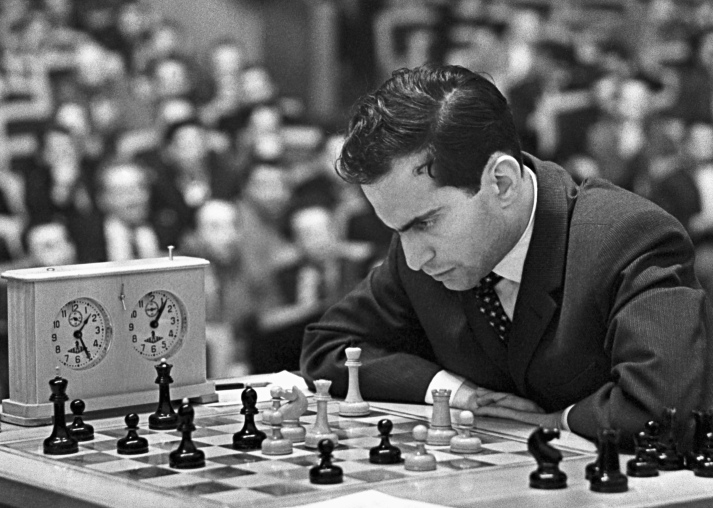
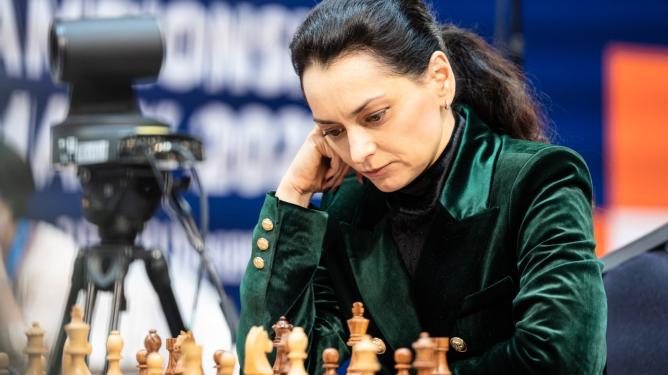
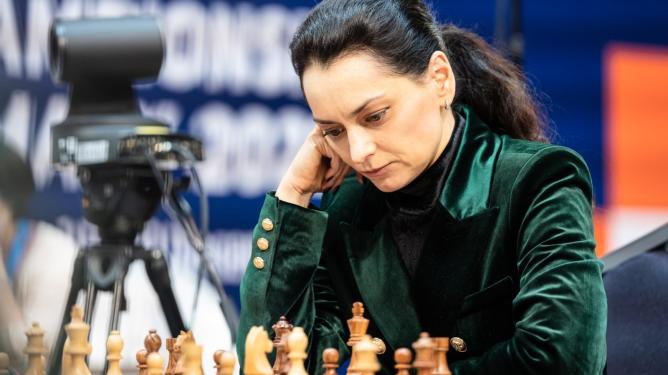
(GM Alexandra Kosteniuk.
Credit: Maria Emelianova/Chess.com)
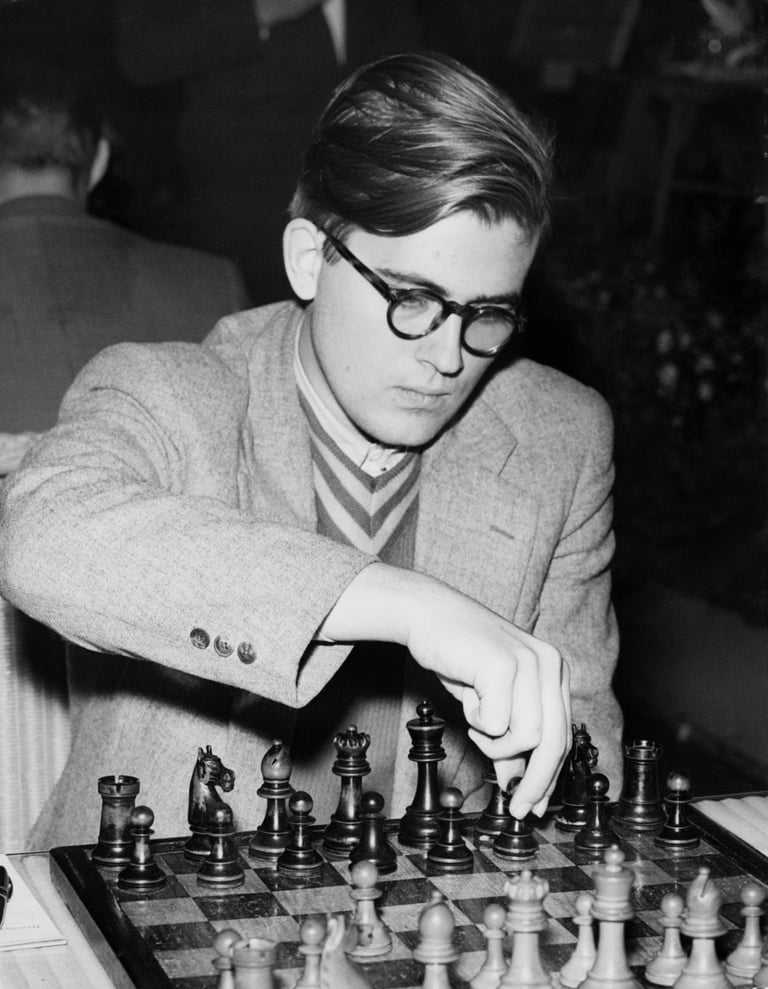
(GM Bent Larsen 1935-2010.
Credit: Getty Images/Garry Todd)
“Lack of patience is probably the most common reason for losing a game, or drawing games that should have been won.” - Bent Larsen
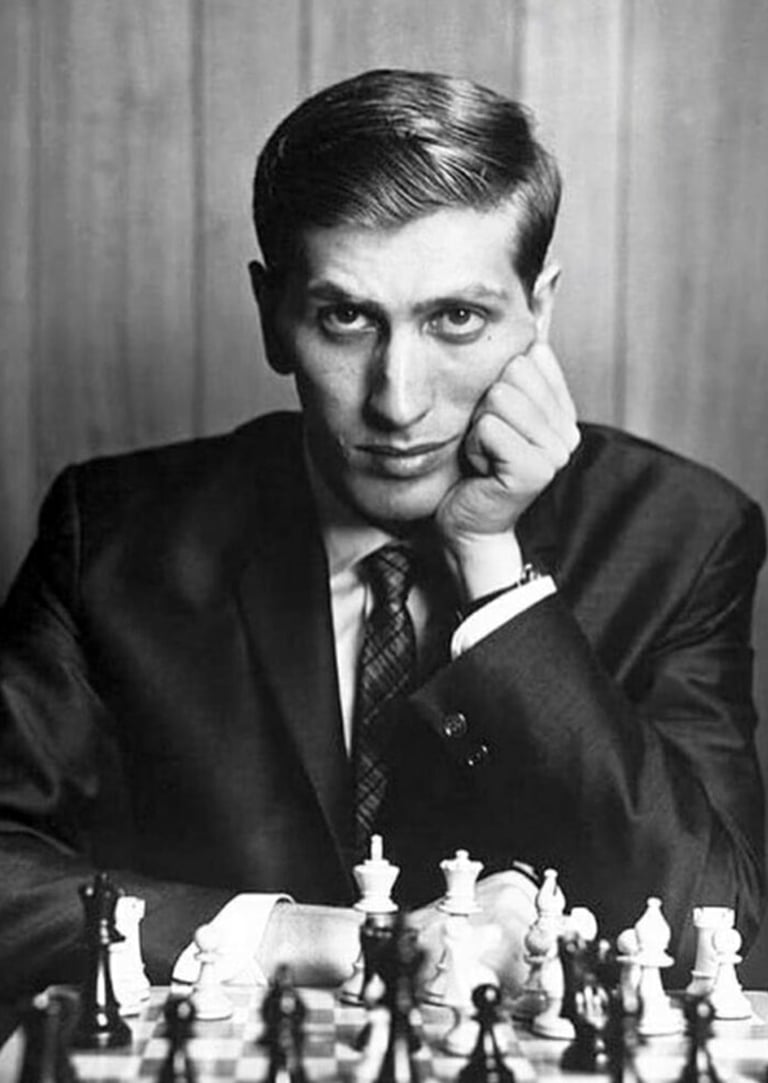
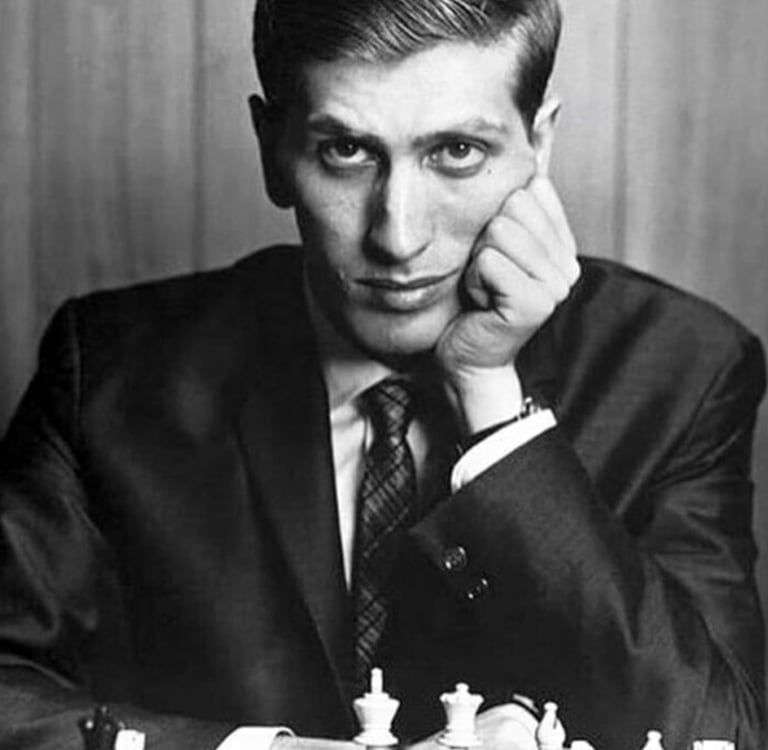
(11th World Champion Bobby Fischer
Credit: Zsido Kivalosagok Haza)